Purchase Orders in 2025: If You’re Still Printing and Signing, You’re Losing Money
The Paper Trail That’s Bleeding Cash
It’s 2025. We have AI that can write poetry and predict market movements. We have systems that can process millions of transactions per second.
And yet, somewhere in your business, someone is probably printing a purchase order, walking it to someone’s desk for a signature, scanning it, and emailing it.
Let’s talk about why this is costing you far more than you think.
The “Simple” Purchase Order Process
Here’s what happens with traditional PO workflows:
- Employee creates PO in accounting system
- Prints it
- Walks to manager’s office (or emails PDF)
- Manager reviews (if they’re not in meetings)
- Manager signs (if they remember)
- PO gets scanned (if the scanner works)
- Someone emails it to supplier
- Someone files the paper copy
- Finance chases for approval if delayed
- The cycle repeats for amendments
“It works,” you say. “We’ve always done it this way.”
Ready to let AI protect your procurement?
Contact Systematics Software Ltd today to explore how AI-powered solutions can revolutionise your operations and prepare you for the future of technology.
Nam aliquet ante porta, gravida elit, at fringilla felis suscipit.
What This Process Actually Costs
Time Cost:
- Average PO processing time: 7-10 days
- Average touches per PO: 8-12 people
- Cost per PO: £25-£75 (depending on complexity)
For a business processing 500 POs monthly:
- £12,500-£37,500 monthly in processing costs
- £150,000-£450,000 annually
Delay Cost: When POs sit waiting for approval:
- Supplier relationships suffer
- Prices change before approval
- Urgent orders become emergencies
- Staff work around the system (increasing risk)
- Business opportunities get missed
Error Cost: Manual PO processes breed errors:
- Wrong items ordered
- Incorrect quantities
- Outdated pricing
- Missing approval signatures
- Lost paper trails during audits
Each error requires investigation, correction, and often reprocessing. The cumulative cost is substantial.
What Modern PO Automation Looks Like
Imagine this instead:
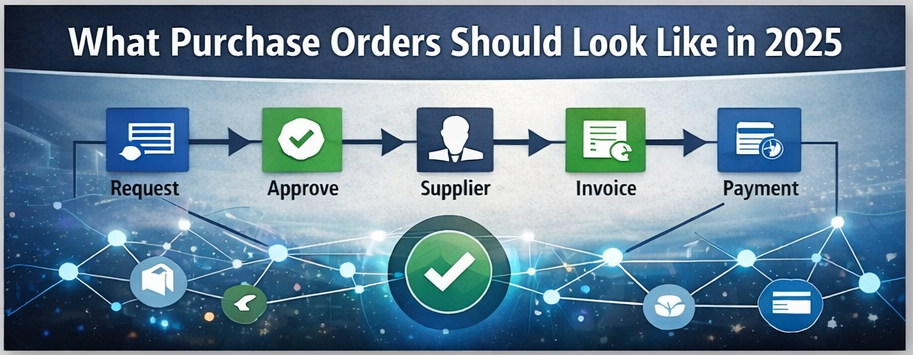
- Employee creates PO request in the system
- Approval rules automatically route to appropriate manager
- Manager approves from mobile device (2 minutes)
- System automatically sends to supplier
- System tracks acknowledgment
- When goods arrive, system matches delivery to PO
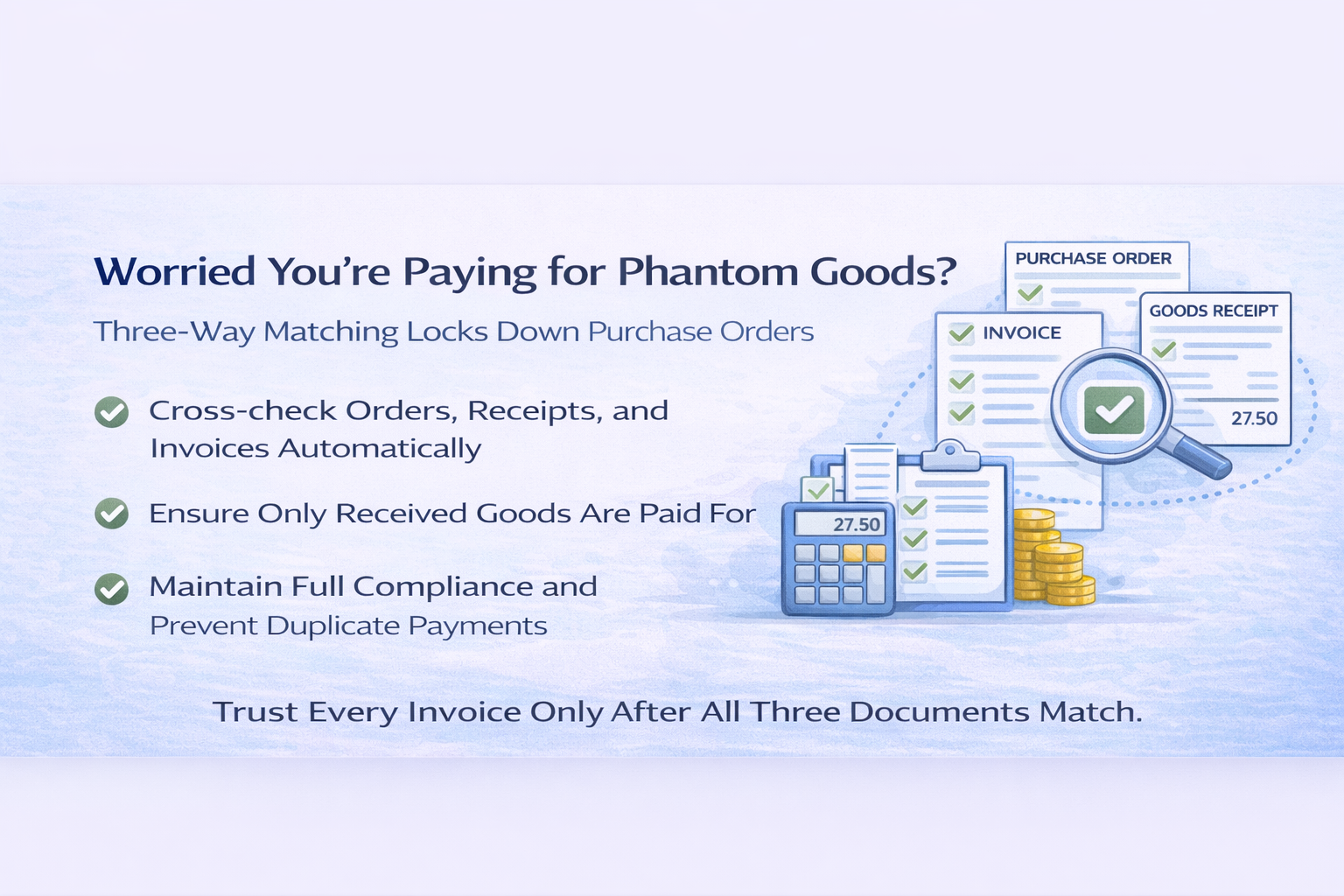
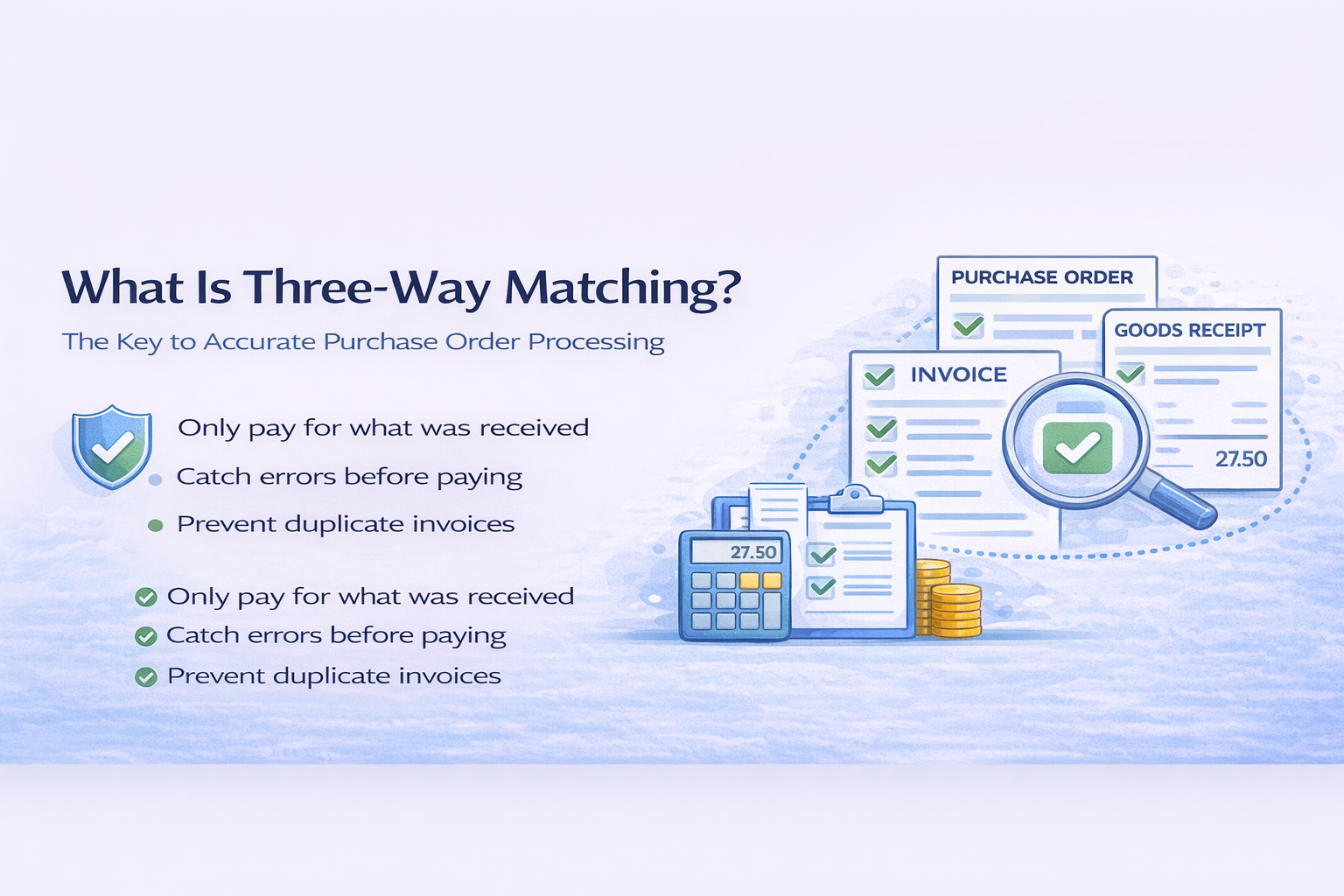
- When invoice arrives, system three-way matches (PO + delivery + invoice)
- Payment processes automatically if everything matches
- Exception reports only flag items needing human attention
Result:
- PO cycle time: 2-3 hours instead of 7-10 days
- Cost per PO: £2-£5 instead of £25-£75
- Error rate: Down 90%+
- Staff time: Redirected to valuable work
The Integration Multiplier
Here’s where it gets really interesting. When your PO system connects to your other business systems:
Connected to Banking: Real-time visibility of available funds before commitment
Connected to Accounting: Automatic accruals and expense allocation
Connected to Inventory: Reorder triggers based on actual stock levels
Connected to CRM: Customer orders automatically trigger supplier POs
Connected to Payment Systems: Approved invoices flow straight to payment processing
We build software for one-time data entry that updates everything, and we connect your business systems so they share information automatically. Payment systems, banking, accounting, CRM—they all talk to each other like they should.
Ready to deploy AI protection across your procurement?
Contact Systematics Software Ltd today to explore how AI-powered solutions can revolutionise your operations and prepare you for the future of technology.
Nam aliquet ante porta, gravida elit, at fringilla felis suscipit.
The AI Layer
Once your PO data flows cleanly through connected systems, AI can:
Predict Optimal Order Timing Based on historical patterns, seasonal trends, and current inventory
Identify Pricing Anomalies “This quote is 23% higher than historical average for this supplier”
Recommend Supplier Alternatives When regular suppliers show declining performance
Automate Routine Decisions Pre-approve POs that match established patterns and thresholds
But this only works with clean, connected data. You can’t layer AI on chaos.
The Cultural Shift
Moving from paper to automated POs isn’t just technical. It’s cultural.
Managers worry: “How do I maintain control?” Reality: You gain more control through complete visibility and audit trails
Finance worries: “What about approval authorities?” Reality: Digital workflows enforce approval hierarchies more reliably than paper
Staff worry: “This will be complicated.” Reality: It’s dramatically simpler than the current system
The Implementation Reality
You don’t need to transform everything overnight.
Phase 1: Digitise Move PO creation and approval into a digital workflow. Keep everything else the same. Immediate time savings.
Phase 2: Integrate Connect POs to accounting, banking, and inventory systems. Let data flow automatically.
Phase 3: Automate Layer in three-way matching, automatic approvals for routine POs, and AI-powered insights.
Each phase delivers value. Each phase builds on the previous one.
The Question Isn’t “Should We?”
The question is “How much longer can we afford not to?”
Every day you continue with manual PO processing:
- You pay the time tax
- You accumulate errors
- You miss opportunities
- You fall further behind competitors who’ve already automated
Ready to bring your purchase order process into 2025?
Let’s discuss how automated, connected PO workflows can eliminate delays, reduce costs, and free your team to focus on growing the business.
📅 Book a conversation: https://calendly.com/jiteshlakhani
📞 Call directly: 0207 031 9810